

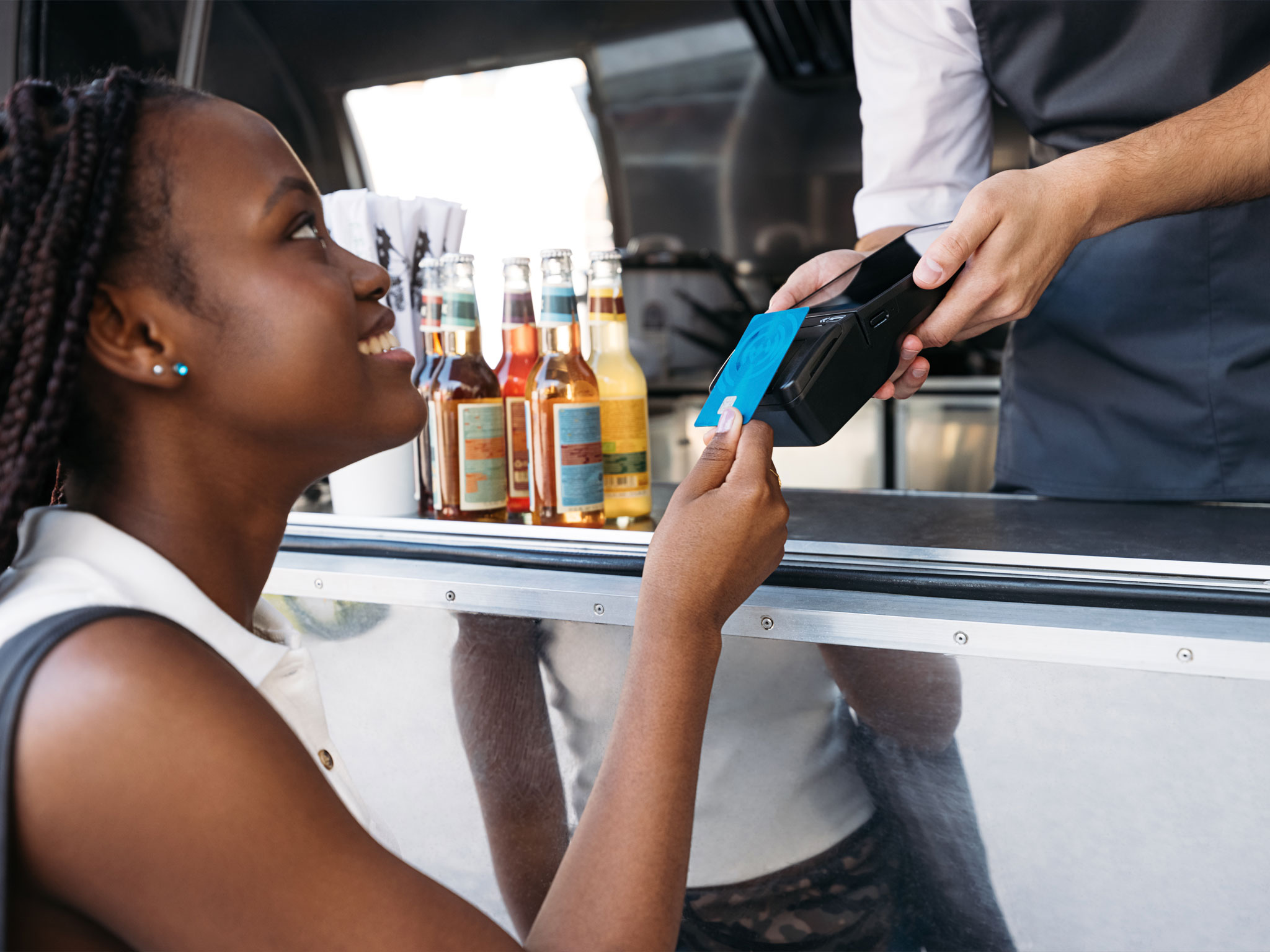
Money tends to create more stress than necessary before travelling to Sal. Should you bring cash? Will cards work everywhere? Do you need to exchange a lot before arriving?
The good news is that handling money on the island is usually much simpler than people expect. What matters is not choosing one single payment method, but understanding when it makes sense to use cash, card or ATM.
In Sal, the easiest approach is usually the least dramatic one: combine cash and card naturally, without trying to solve every possible situation before the trip has even started.
In Sal, money is usually not the problem. The problem is assuming you will be able to pay the same way everywhere.
The important thing is not the currency, but the context
The official currency is the Cape Verdean escudo, but in practice you do not need to obsess over exchange calculations to move around comfortably.
What really matters in daily life is where and how you are paying. A hotel does not work the same way as a taxi. A large supermarket does not work the same way as a small local bar. And an informal purchase does not work the same way as a more structured tourist payment.
That is why the useful question is not simply “cash or card?” but rather what kind of expense each one is better for.
Cash still matters
Sal is not a cash-only destination, but cash still plays an important role in everyday life. Not because you need to carry large amounts, but because it makes many small situations easier.
Having some cash with you is usually useful for:
- taxis,
- small shops,
- simple bars,
- informal purchases,
- minor day-to-day expenses.
This is not about carrying a thick wad of notes like someone making a suspicious deal in a car park. It is simply about not depending on your card for every small payment.
In Sal, cash is usually not for big expenses. It is for everyday life.
Cards work well in some places, but not everywhere
Cards are accepted in many places, especially in more formal businesses or in settings clearly geared towards visitors.
They are usually more practical in:
- hotels,
- large supermarkets,
- some restaurants,
- certain tourist-oriented shops.
They are less reliable as your only option for smaller, more everyday situations. That is where people often create unnecessary hassle for themselves.
Put simply, cards are useful, but they are not a universal solution.
The most sensible approach is to combine both
The most practical way to handle money in Sal is usually very simple:
- carry some cash for everyday spending,
- use your card for more formal or higher-value payments,
- avoid carrying all your money on you,
- and do not exchange too much “just in case”.
That last one catches quite a few travellers. Over-preparing financially often creates more stress than it solves.
ATMs are useful, but best treated as backup
There are ATMs in Santa Maria and in other parts of Sal, so access to cash is not normally a major problem. Even so, it is better to treat them as support rather than as the centre of your whole money plan.
Some machines may not accept certain international cards, some may be temporarily unavailable, and fees often depend as much on your own bank as on the machine itself.
In practice, occasional withdrawals with a little planning usually work better than relying on ATMs constantly throughout the trip.
On Sal, the ATM is useful as a backup. Building your entire money strategy around it is where things become unnecessarily awkward.
How much cash should you carry?
There is no magic amount that works for everyone. It depends on the kind of trip you are having, how much you move around, and how often you make small purchases during the day.
Still, one idea is consistently helpful: carry enough to move comfortably, but not so much that it becomes unnecessary.
In practice, it usually makes sense to keep enough cash for:
- taxis,
- simple drinks or snacks,
- small purchases,
- minor unexpected expenses,
- basic meals in places where cash feels more natural.
What does not make much sense is carrying all your travel money on you. Splitting it sensibly is usually the calmer and more practical option.
Common money mistakes in Sal
Assuming cards work the same everywhere
They do not. Cards work in many places, but not in all of them, and not always in the most practical way.
Exchanging too much money as soon as you arrive
Many travellers change more than they really need out of caution, then realise they never actually needed that much cash.
Carrying only large notes
For small everyday spending, that is not always the most convenient way to move around.
Obsessing over the exact exchange rate
Having a rough mental reference is useful. Treating every payment like a financial negotiation is not.
Improvising everything
The opposite extreme is not much better. Assuming you will sort everything out on the spot is rarely the smartest travel strategy either.
With money in Sal, a simple mix of planning and flexibility usually works better than either overthinking everything or leaving everything to chance.
Final recommendation
If you want to handle money in Sal without turning it into a project, the most useful advice is straightforward: carry some cash, keep your card available, and use each one where it makes most sense.
Once you understand how everyday payments actually work on the island, money stops feeling like a concern and becomes what it should be: just another practical part of the trip.
And in Sal, that is exactly how it is best handled.